Spec Battle: Google Pixel 10A vs Samsung Galaxy S26 — Is It Worth Upgrading?
Introduction
When shoppers consider upgrading a smartphone, the decision often comes down to two questions: "What will it do better for the things I actually do?" and "Is that improvement worth the cost?" The Google Pixel 10A and the Samsung Galaxy S26 occupy different positions in the market and therefore appeal to different buyers. This analysis looks beyond marketing blurbs and into real-world use: daily photography, battery life for commuting and travel, gaming and productivity, software longevity, and value over time. The goal is to help someone decide whether to upgrade now, wait, or pick the model that best matches their habits.
At a glance: how the two phones are positioned
Broadly speaking, the Pixel 10A continues the Pixel A-series tradition of delivering Google's camera and software experience at a more accessible price point. The Galaxy S26, as Samsung's flagship line, aims to push performance, display technology, and camera versatility, often with top-tier materials and extras like higher refresh-rate displays and more advanced telephoto lenses.
Who each phone is for
- Google Pixel 10A: Buyers who value straightforward software, excellent point-and-shoot computational photography, and strong long-term Android updates on a budget-conscious device.
- Samsung Galaxy S26: Users who want the best possible display, maximum performance for demanding apps and gaming, and advanced camera hardware (ultrawide, periscope or high-quality telephoto) for creative work.
Detailed product analysis
Design and build
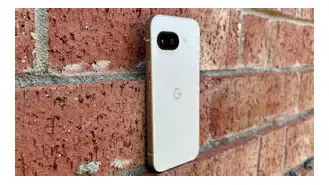
The Pixel 10A typically follows a practical design language: matte or soft-touch rear finishes, a frame that balances grip with slimness, and IP-rated water resistance. Its focus is comfort and everyday durability rather than outright luxury. By contrast, the Galaxy S26 aims for premium feel—glass or ceramic backs, polished frames, and tight tolerances. For many users, the difference is tangible in hand: the S26 feels more premium and often weighs a bit more because of its materials and larger batteries.
Display
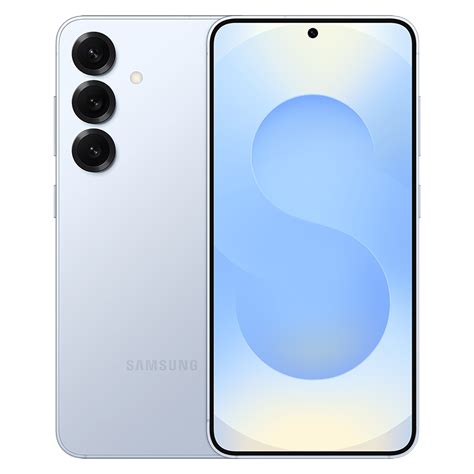
Display quality is where the S26 usually shines. Samsung's flagship displays are industry-leading in brightness, color accuracy, and HDR performance, making them ideal for streaming video, photo editing on the go, and gaming. The Pixel 10A typically uses a high-quality panel for its price class, offering accurate colors and sufficient brightness for outdoor use, but it usually trails flagships in peak brightness and advanced features like variable refresh with extremely low power modes.
Performance and daily responsiveness
Galaxy flagships traditionally pack the fastest mobile processors available at launch, combined with higher RAM options. This translates to smoother performance in multitasking, faster compile times for mobile developers, and better headroom for future software updates. The Pixel 10A balances efficiency and cost—its chipset is optimized for everyday tasks, light to moderate gaming, and excellent power efficiency, but it may show limits under sustained heavy loads like prolonged gaming or intensive video editing.
Camera systems
Google's Pixel line has stood out for computational photography. The Pixel 10A focuses on image processing and software-driven improvements: low-light shots, HDR blending, and software-based portrait modes. On the other hand, Samsung's Galaxy S26 typically brings a more flexible hardware array—higher-resolution sensors, optical zoom options, and broader ultrawide coverage—paired with strong image processing. For users who prioritize single-shot point-and-shoot simplicity, the Pixel can be compelling; for enthusiasts who want optical zoom, manual controls, or more megapixels to crop with, the S26 is likely preferable.
Battery life and charging
Battery life depends on how each phone is configured and the user's habits. The Pixel 10A often prioritizes efficiency and balanced endurance: day-long battery life for mixed use is the typical outcome. Samsung's S26, with larger batteries and more aggressive optimization settings, can match or exceed that endurance, especially with adaptive refresh rates and power-saving features. Charging speeds and wireless charging support are usually stronger on flagship S-series devices, which can be important for frequent travelers or heavy users who top up during short breaks.
Discover deals on Mobile Phones — updated daily.
See Deals →Software and updates
Google offers a clean Android experience and is known for timely updates and extended OS support on Pixel devices. The Pixel 10A benefits from early access to new Android features and typically receives prompt security patches. Samsung has dramatically improved its update commitment in recent years and offers a robust ecosystem of features, but its software includes more customization and, occasionally, OEM-specific apps. Buyers who want the purest Android experience and earliest access to Google-first features will prefer the Pixel; those who want deep customization and ecosystem services (like DeX-style productivity features) will lean toward Samsung.
Real-world use cases
- Commuters: The Pixel 10A's balanced battery and compact design make it comfortable for all-day use on public transit. The S26's brighter display is better for outdoor reading and streaming in bright sunlight.
- Mobile photographers: Casual shooters who prioritize ease will like Pixel's processing; creators who need optical zoom and more manual control will appreciate the S26.
- Gamers: High-frame-rate gaming and thermal headroom favor the Galaxy S26, especially for extended sessions; the Pixel 10A handles most games well but may throttle under long, intense loads.
- Power users / productivity: The Galaxy S26's hardware and multitasking features often make it a better companion for document editing, split-screen work, and accessories like keyboard docks, whereas the Pixel excels at simple, distraction-free productivity supported by Google apps and services.
- Long-term ownership: Both companies have strengthened update policies, but Pixel's software-first approach and direct Android relationship make it compelling for buyers who want many years of clean updates.
Pros & Cons
Google Pixel 10A
- Pros:
- Strong computational photography for everyday shots and low light.
- Clean Android experience with fast updates and security patches.
- Comfortable design and generally good battery efficiency.
- Typically better value for buyers prioritizing features over flagship-level hardware.
- Cons:
- Hardware limitations under sustained heavy workloads or gaming.
- Less versatile camera hardware (fewer optical zoom options).
- Display and peak brightness usually lag flagship-grade panels.
Samsung Galaxy S26
- Pros:
- Best-in-class display technology for media consumption and color-critical work.
- Top-tier performance and greater RAM/ storage headroom for demanding users.
- Flexible camera hardware with optical zoom and broad shooting modes.
- Premium materials and extra features (advanced wireless charging, productivity tools).
- Cons:
- Higher price point—value is less compelling for users who don't need flagship features.
- Software customization can be overwhelming for users who prefer a simpler interface.
- Heavier and potentially less comfortable for one-handed use depending on size.
Comparison table
| Category | Google Pixel 10A | Samsung Galaxy S26 |
|---|---|---|
| Market position | Mid-range / value with Google software focus | Flagship / premium with bleeding-edge hardware |
| Design | Practical, lightweight, ergonomic | Premium materials, refined finish |
| Display | High-quality panel suitable for everyday use | Top-tier AMOLED with superior brightness and color |
| Performance | Efficient for daily apps and light gaming | High-end performance for gaming and multitasking |
| Camera | Software-first, excellent stills in common scenarios | Versatile hardware setup with optical zoom options |
| Battery & Charging | Balanced endurance, conservative charging speeds | Longer endurance with faster wired/wireless charging |
| Software & Updates | Pure Android; earliest updates and clean UI | Feature-rich One UI with strong update commitment |
| Best for | Value-focused buyers and photo-first casuals | Power users, creators, and display enthusiasts |
Buying guide: Which should a buyer choose?
Choosing between these two models depends primarily on priorities and budget. The following considerations map common buyer priorities to a recommendation.
1. Prioritize software experience and simplicity
If a buyer values a clean Android experience, quick access to new Android features, and dependable monthly security updates, the Pixel 10A is a strong choice. It removes distractions, keeps the UI simple, and Google's computational photography helps make casual shots look great without fiddling.
2. Want the absolute best display and raw performance
For users who stream a lot of HDR video, edit photos or video on-device, or game at high frame rates, the Galaxy S26's display and chipset will be more satisfying. The touchscreen responsiveness, peak brightness, and multi-core performance make a difference for intensive workloads.
3. Need camera versatility (zoom, ultrawide)
Photographers who want optical zoom, richer hardware for low-light zoomed shots, or the flexibility to crop aggressively will benefit from the S26's typically more elaborate camera hardware. If the bulk of photography is social media shots or point-and-shoot snapshots, the Pixel's software advantages can often match or surpass hardware in perceived quality.
4. Travel and battery life
Frequent travelers should weigh battery life and fast charging. The S26 often provides larger battery capacity and faster top-up speeds, helping during long travel days. The Pixel 10A's efficiency can still deliver all-day use, but charging top-ups will be slower.
Shop the latest Mobile Phones picks on Amazon.
Browse Now →5. Budget and long-term value
The Pixel 10A typically represents better value if budget is a decisive factor; it gives the core Pixel experience at a lower entry price. However, the S26 may retain higher trade-in value and provides premium features that some buyers consider an investment if they plan to keep the phone for multiple years.
6. Ecosystem and accessories
Consider ecosystem needs: Samsung's ecosystem includes tablet and PC integrations, Samsung-specific apps, and accessories tuned to the S-series. Google emphasizes integration with its services and other Pixel-branded devices. Buyers already invested in one ecosystem will often prefer the phone that aligns with their existing devices.
Is it worth upgrading?
An upgrade decision depends on the current device and the delta in experience the buyer expects. For someone upgrading from a several-years-old mid-range phone, both the Pixel 10A and Galaxy S26 will feel like meaningful improvements—faster, more capable cameras, better battery life, and modern software. For users on a recent flagship (one or two generations behind the S26), the S26's incremental gains in display, camera hardware, and performance may not justify the cost unless those specific areas are important to daily use.
On the other hand, a Pixel 10A is often a pragmatic upgrade for users whose priorities are reliable software, strong still photography without the flagship price, and long-term security updates. It also suits buyers who prefer a lighter, more pocket-friendly device.
Conclusion
In this matchup, the choice is less about absolute superiority and more about fit. The Samsung Galaxy S26 is the right pick for users who demand the best display, top-tier performance, and camera hardware versatility. The Google Pixel 10A is better suited to buyers who prioritize software polish, computational photography, and value. For many, the practical question is whether those premium S26 advantages will be used frequently enough to justify the higher cost. If so, it is worth upgrading; if not, the Pixel 10A will likely provide the smoother day-to-day experience and greater value for most typical phone users.