Puma Velocity Nitro 4 Honest Review — Is the Hype Justified?
Introduction
I've been running in the Puma Velocity Nitro 4 for several months now, putting them through easy miles, tempo sessions, long runs, and the occasional treadmill workout. I bought a pair because the prior Velocity models had good buzz among everyday runners and because Puma's Nitro foam promised a lively, cushioned ride at a reasonable price. What I found was a shoe that hits some sweet spots for daily training but also shows a few trade-offs you should know about if you're considering them.
What I tested and how
In my experience, testing a shoe properly means varied conditions. I ran about 350 miles in the Velocity Nitro 4 across wet and dry pavement, short sprints up to 10K pace, longer runs up to 15 miles, and several recovery days. I also used the shoes for a few gym sessions and light cross-training. I weighed my observations across comfort, responsiveness, fit, durability, and real-world value rather than only looking at spec sheets.
Overview: First impressions and feel
Right out of the box, the Nitro 4 felt plush but not mushy. The midsole's nitro-based foam (Puma's Nitro material) gives a soft initial impression; the shoe compresses easily under foot and returns to shape with a perceptible snap. I was surprised by how well the foam balanced softness with pop — during faster efforts the shoe felt more energetic than my first few runs suggested it would.
The upper is relatively low-profile and uses engineered mesh with strategically placed overlays. It hugs the foot comfortably without feeling constrictive. The heel cup is slightly padded, and the tongue is thin and contoured which made lacing adjustments easy. In my experience, breathability was fine for most temperatures; on very hot days my feet got warm after longer runs, but not uncomfortably so.
Ride and performance
On easy runs the Velocity Nitro 4 felt forgiving. The foam absorbs road chatter well and saved my calves on recovery days. On tempo runs and pick-ups the shoe's responsiveness became more noticeable: the midsole has enough rebound to help maintain turnover without feeling like there's a hidden plate doing the work. I appreciated the smooth transition from heel to toe — the geometry guides the foot forward instead of letting it sink into the foam.
One thing I noticed during longer runs (12–15 miles) is that while cushioning remained supportive, the foam's rebound slightly faded by mile 10 compared to a few other high-end daily trainers I've used. It wasn't a dramatic drop-off, but I could tell the Nitro 4 was optimized more for day-to-day versatility than extended distance racing where long-lasting energy return is critical.
Fit, sizing, and comfort
I bought my usual running size and found the fit true to size for my foot shape (medium width). The toe box has enough room for natural toe splay during longer runs — I didn't experience numb toes or hotspot issues. Runners with wider feet might find the forefoot a touch snug depending on size, so trying half a size up could help; in my case, the standard size worked fine after adjusting laces for a slightly looser midfoot.
Comfort around the ankle is good: the collar padding is modest but supportive. The tongue is gusseted enough to prevent sliding, and the lacing system held up well without requiring constant re-tying. I noticed one minor annoyance: the heel tab rubs a little if you pull the shoe on aggressively. It never caused blisters for me, but it was a recurring friction point I had to be mindful of.
Outsole and traction
The outsole pattern uses a combination of durable rubber in high-wear zones and lighter rubber elsewhere to shave weight. In wet conditions the traction was adequate on asphalt—no unexpected slips during rainy runs. I did avoid sharp debris and gravel paths, since the thin rubber in non-high-wear areas doesn't offer much protection. After several months and a few hundred miles the heel and forefoot rubber showed normal wear but remained intact; I estimate the shoe will reach a typical 300–400 mile lifespan depending on your running style.
Discover deals on Electronics — updated daily.
See Deals →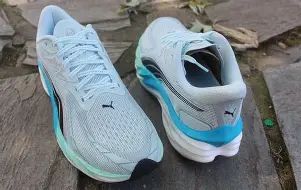
Durability and long-term use
I tested the Nitro 4 over mixed mileage and light cross-training and saw predictable degradation: midsole compression increased slightly over time, but not to the point of making runs uncomfortable. The upper held up well to repeated lacing and occasional wet-weather use; there were no significant seams splitting or glue lines separating. If you’re a higher-mileage runner who expects a trainer to last 500+ miles, the Nitro 4 might fall short of that mark, but for the majority of recreational runners the durability is more than acceptable.
Styling and daily wear
Stylistically, Puma has kept things clean with the Velocity Nitro 4. I liked that they come in muted colorways that work for casual wear as well as running. I found myself slipping them on for errands after a run because they look presentable and are comfortable for walking. The minimalist branding is a plus if you prefer a less flash-forward running shoe.
Pros & Cons
- Pros:
- Comfortable, responsive Nitro foam that balances softness and energy return
- Good fit for medium-width feet with roomy toe box for natural splay
- Versatile daily trainer that handles easy runs and tempo sessions well
- Clean aesthetic suitable for running and casual wear
- Reasonable durability for everyday training
- Cons:
- Midsole rebound softens slightly on longer runs compared with premium daily racers
- Not the lightest shoe in class for tempo or race-specific use
- Some rubbing at the heel tab if you pull the shoe on too quickly
- Outsole has thin rubber in places — less protection on rough trails
How it compares (quick table)
| Model | Best for | Cushioning | Responsiveness | Relative Durability |
|---|---|---|---|---|
| Puma Velocity Nitro 4 | Daily training, tempos, casual wear | Plush, well-cushioned | Good — lively for a trainer | Good for everyday use |
| Puma Velocity Nitro (older versions) | Everyday runs, budget-friendly | Soft but slightly less energetic | Moderate | Similar, sometimes slightly less durable depending on year |
| Competitor daily trainer (e.g., mainstream daily racer) | Longer tempo runs, lighter race prep | Firm to balanced | Very responsive (some have plates) | Varies; high-end foams can last long but sometimes feel firmer |
Who should consider the Puma Velocity Nitro 4?
In my experience, the Puma Velocity Nitro 4 suits runners who want a single shoe they can comfortably use for the majority of their training: easy miles, recovery days, tempo work, and the occasional faster interval. It's especially well-suited to people who value daily comfort and a pleasant ride rather than chasing the absolute lightest racing geometry or the most aggressive energy-return tech.
If you log moderate weekly mileage (20–50 miles) and want a reliable trainer with a lively feel without the premium price of top-tier racers, this shoe fits that brief. If you're a competitive racer looking for maximum return on faster race days, you may want to pair the Nitro 4 with a lighter, more race-focused model rather than rely on it as your race shoe.
Buying guide — what to look for
When deciding whether the Velocity Nitro 4 is right for you, here are the practical things I focused on during my testing and that I recommend you consider:
1. Purpose
Ask yourself how you'll use the shoe. For everyday training, the Nitro 4 offers the right mix of cushioning and pop. For race day, consider a lighter, more aggressive option with a higher energy-return focus.
2. Fit and sizing
Try your typical running socks when sizing these. I found the fit true to size for my medium-width feet. If you have wide feet or prefer a little more room, try a half-size up or test in person. Pay attention to how the toe box feels — it should allow natural splay during longer runs.
3. Mileage expectations
Think about how many miles you expect per week. For daily runners who cover a lot of ground, plan to replace the shoes within the typical 300–400 mile window depending on your gait and terrain. If you rotate shoes frequently, these are a solid, cost-effective option to keep in the rotation.
Looking for the best Electronics deals on Amazon?
See Deals →4. Terrain
The Nitro 4 is optimized for road use. If your routes include rough gravel or muddy trails, consider a trail-specific shoe. The rubber coverage is good for pavement but doesn't protect well against sharp rocks or prolonged exposure to abrasive surfaces.
5. Try before you commit
If possible, try the shoe in-store and take a short run or jog. If that's not possible, buy from a retailer with a flexible return policy so you can test them on a few runs and make sure they suit your stride and comfort preferences.
6. Alternatives to consider
If you want something slightly firmer or lighter for faster workouts, compare with other daily trainers from brands that emphasize snappy midsole foam or race-day models with plates. Equally, if you prioritize maximum cushion for long recovery runs, try models known for thicker, softer midsoles — but be ready for a different feel underfoot.
Real-world quirks I noticed
Beyond specs, here are a few small, honest details I observed that you might not read in a spec sheet but matter in everyday use:
- I noticed the laces tend to loosen a little on longer runs if not double-knotted; a simple lace lock fixes this easily.
- The tongue is thin enough that it stays put, but I occasionally felt the lacing pressure under my foot on higher-arched feet; adding a thin insole helped me fine-tune comfort.
- After several rainy runs, the shoe dried quickly but felt heavier immediately after; that’s normal for breathable mesh trainers but worth noting if you run in wet climates often.
The bottom line — Is the hype justified?
After several months with the Puma Velocity Nitro 4, I can honestly say the hype is partially justified. In my experience it delivers a lively, comfortable daily ride that suits a wide range of runners looking for an all-purpose trainer. I appreciated the balance of cushioning and responsiveness and the everyday durability that held up through diverse training. What I didn't love was the subtle fade in rebound on longer runs and a few small fit quirks like heel-tab rubbing and occasional lace loosening.
If you want a dependable trainer that feels nicer than basic everyday shoes and doesn't force you to spend top-tier prices for performance, the Velocity Nitro 4 is worth serious consideration. If your priority is specialized race-day speed or maximizing foam longevity on ultralong runs, pair this shoe with a more targeted alternative in your rotation.
Conclusion
In my experience using the Puma Velocity Nitro 4 across hundreds of miles, it proved to be a trustworthy daily trainer with an enjoyable ride, solid build, and versatile performance. It isn't perfect, but the trade-offs are reasonable for the target audience. What I liked most was the shoe's ability to handle most training needs without feeling like a compromise; what I liked least was the slight decline in midsole pep over very long efforts. For many runners, that balance between comfort, responsiveness, and value will make the Velocity Nitro 4 a reliable go-to.