A Professional's Take on the New Arctis 5 2019 Edition
Category: Audio
Introduction
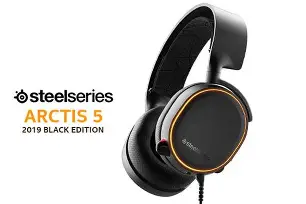
The Arctis 5 2019 Edition arrives as an incremental yet meaningful refresh to SteelSeries' midrange gaming headset line. For buyers who balance competitive gaming, long streaming sessions, and casual music listening, the Arctis family has long been a popular choice thanks to its comfort-first design and clear microphone performance. The 2019 Edition specifically targets improvements around the headset’s USB sound card, spatial audio support, and software-driven tuning. This article takes an editorial, professional look at the Arctis 5 2019 Edition—how it behaves in real-world scenarios, where it stands among close competitors, and what potential buyers should consider before committing.
What the Arctis 5 2019 Edition Is and Who It’s For
The Arctis 5 2019 Edition is a wired gaming headset positioned for PC-centric users who want more than a basic analog headset but are not ready to pay a premium for full wireless features. It blends a traditional 3.5 mm connection (for consoles and mobile) with a USB adapter that unlocks enhanced audio processing, chat/mix controls, and EQ customization when connected to a PC. It is aimed at gamers who want:
- Comfort for multi-hour sessions (streamers, esports players, long cooperatives)
- Clear voice capture for team communication and content creation
- Software-enabled tuning and virtual surround for positional audio
- Compatibility across PC and consoles without carrying separate headsets
Design and Comfort: Real-World Fit
One of the Arctis series’ strongest selling points is the ski-goggle-style headband, and the Arctis 5 2019 Edition continues this approach. The suspension headband distributes pressure across the top of the head instead of concentrating it on a single point, which reduces fatigue during marathon sessions. The earcups use a breathable fabric material common to SteelSeries’ lineup; while not as isolating as memory foam leatherette, fabric keeps ears cooler and prevents the "sweaty ear" problem for many users.
Real-world users will notice that clamping force is moderate—enough to stay secure during movement without becoming uncomfortable. Glasses wearers typically report minimal discomfort due to the earcup shape and forgiving clamping. The headset’s weight remains reasonable for a wired design with a built-in USB interface, meaning it won’t feel unwieldy during hours of play or work.
Audio Performance and Spatial Processing
The Arctis 5 2019 Edition uses SteelSeries’ software ecosystem (SteelSeries Engine) to provide EQ, presets, and access to the virtual surround system. On a purely analog connection, the headset offers a balanced, slightly V-shaped sound signature that leans toward clarity in mids and defined highs—beneficial for hearing footsteps and in-game cues. The USB sound card enables additional processing, including virtual surround and a chat mix control that makes it easy to prioritize game audio or voice comms.
For competitive players, positional cues through the Arctis 5 are accurate enough to make a difference in team shooters and battle-royale titles when the USB DSP and virtual surround are engaged. For immersive single-player titles, the soundstage widens with software enhancements, offering a convincing sense of space. When listening to music, the headset does a respectable job with modern pop and EDM; audiophile-grade detail and low-end authority are not its primary strengths, but the overall tonal balance is pleasant and adaptable via custom EQ.
Microphone and Communication
SteelSeries’ ClearCast microphone has a strong reputation for being one of the better gaming mics at this price point, and the 2019 Edition maintains that standard. The mic captures speech with clarity and reduces ambient noise effectively. In real-world use—team voice chat, streaming, or quick co-op coordination—the microphone projects a natural and intelligible voice that doesn’t require heavy post-processing. Streamers will appreciate that the mic’s pickup pattern focuses on the speaker while deemphasizing typing and other room noises.
An added convenience is the flip-to-mute mechanism, which is intuitive and reliable. For users who record more polished content, the Arctis 5’s raw mic signal is a good starting point and responds well to light equalization and compression in a typical streaming setup.
Build Quality and Controls
The Arctis 5 2019 Edition combines plastic and metal in a straightforward construction designed for everyday use. The outer shell is primarily durable plastic, while the headband and internal supports use metal for structural strength. Buttons and dials—such as the volume wheel and the chat/game mix dial available through the USB adapter—have a satisfying tactile feel and are positioned for easy access.
Looking for the best Audio & Headphones deals on Amazon?
View Offers →Because the headset is wired, the risk of connectivity issues is low compared to wireless models, but cable management is important for desk setups. The included USB sound card is compact and unobtrusive, though the wiring may feel slightly cluttered to users who prefer minimal desk cables. The headset’s detachable or retractable microphone options vary by SKU; buyers should confirm the exact model if a fully removable mic is important to them.
Compatibility and Software
The Arctis 5 2019 Edition works as a standard wired headset with consoles and mobile devices via 3.5 mm, and it unlocks additional features on PC using the SteelSeries Engine software. The software offers EQ presets, macro profiles, and spatial audio settings. In practice, the software is useful but not essential: users who prefer plug-and-play simplicity can get a very serviceable experience without installing it, while power users will benefit from the customization options.
Drivers and software updates occur periodically; however, compatibility is broad and includes Windows platforms. Mac and Linux users can still use the headset as an analog device but may miss some advanced software-driven features.
Battery and Portability
Being a wired headset, the Arctis 5 does not have internal batteries or wireless pairing. This simplifies portability: users can plug into a laptop, a handheld console, or a mobile phone with straightforward cabling. For anyone who values consistent audio without worrying about charge cycles, the wired approach is an advantage rather than a limitation.
Pros & Cons
- Pros
- Comfort-focused suspension headband suitable for long sessions
- Clear, natural-sounding microphone well-suited to streaming and team chat
- USB adapter unlocks virtual surround, EQ, and chat/game mix controls
- Balanced sound signature useful for both competitive gaming and media
- Reliable wired connection with broad device compatibility
- Cons
- Not as bass-forward or detailed as higher-end audiophile headsets
- Fabric earcups provide less passive noise isolation than leatherette options
- Some features require SteelSeries software to access fully
- Wired design may be less convenient than wireless alternatives for some users
Comparison: Arctis 5 (2019) vs. Nearby Alternatives
For buyers considering the Arctis 5 2019 Edition, it helps to see how it lines up against other models in the SteelSeries family. The table below highlights practical differences a buyer would care about.
| Feature | Arctis 5 (2019) | Arctis 3 | Arctis 7 |
|---|---|---|---|
| Connection | 3.5 mm (analog) + USB adapter for PC DSP | 3.5 mm (analog only) | Wireless (2.4GHz) + 3.5 mm |
| Spatial Audio | Virtual surround via USB and SteelSeries Engine | None (analog only) | Virtual surround via wireless + Engine |
| Microphone | ClearCast bidirectional mic, flip-to-mute | ClearCast mic, similar clarity | ClearCast mic with wireless support |
| Comfort | Suspension headband, breathable fabric earcups | Similar comfort, slightly lighter | Similar comfort, slightly heavier (battery) |
| Best for | PC gamers who want USB features and robust voice chat control | Budget-conscious gamers who want plug-and-play simplicity | Gamers who want wireless freedom and extended range |
Real-World Use Cases
To understand how the Arctis 5 2019 Edition performs outside of specs, consider these typical buyer scenarios:
- Competitive FPS player: The headset’s emphasis on vocal clarity and positional audio via the USB adapter makes it good for players who need to locate footsteps and verbal cues. The light-to-medium clamping force keeps the headset stable during intense play.
- Streamer or content creator: ClearCast mic performance and flip-to-mute convenience are helpful for live streams and recording. The headset’s audio is neutral enough that small EQ tweaks provide a pleasing on-stream sound without heavy processing.
- Casual multiplayer enthusiast: For couch co-op or console gaming, the straightforward 3.5 mm connection offers plug-and-play convenience. The fabric earcups make it comfortable for extended sessions on the couch or at a friend’s place.
- Remote worker on a budget: The Arctis 5 doubles as a capable headset for meetings thanks to its mic clarity and comfortable construction. Users who frequently participate in long video conferences will appreciate the comfort and reliable voice pickup.
Buying Guide
When deciding whether the Arctis 5 2019 Edition is the right choice, buyers should weigh these practical factors:
1. Primary Use Case
If the primary activity is competitive PC gaming and clear team communication, the Arctis 5 hits important boxes: virtual surround, chat mixing, and a strong mic. For heavy console usage without PC connectivity, a simpler wired headset could suffice unless the USB features are essential.
2. Comfort and Fit
Comfort is subjective but critical. Look for a headset with a suspension headband and breathable earcups if sessions exceed two hours regularly. It’s worth trying a headset in person when possible; if not, check return policies and buyer reviews focused on fit.
Discover deals on Audio & Headphones — updated daily.
Browse Now →3. Sound Preferences
Consider whether the buyer prefers an analytical soundstage (helpful for competitive gaming) or rich, bass-heavy audio for music and movies. The Arctis 5 leans toward a balanced, slightly V-shaped signature that’s easily tunable via software but does not compete with dedicated audiophile headphones on raw fidelity.
4. Microphone Needs
For content creators and frequent voice callers, microphone quality may be a deciding factor. The Arctis 5’s mic is above-average for its class; however, streamers who require broadcast-level vocal quality may still pair the headset with a standalone USB microphone.
5. Software and Customization
Decide whether software-driven features are necessary. If the buyer values EQ presets, spatial audio, and the chat/game mix dial, the SteelSeries Engine integration is a clear advantage. If they prefer a no-software, plug-and-play setup, ensure that comfort and analog tuning alone are acceptable.
6. Budget and Value
Assess competing models in the same price bracket. The Arctis 5 2019 Edition typically offers strong value for PC users who want a step up from basic wired headsets without paying a premium for wireless convenience. Compare warranties and customer support as well.
7. Durability and Warranty
Check the manufacturer’s warranty and read user reports on long-term durability, especially regarding headband integrity and cable longevity. If a headset sees heavy daily use or travel, prioritize robust construction or models with replaceable parts.
Maintenance and Longevity Tips
To extend the life of the Arctis 5, keep the fabric earcups clean and dry, avoid yanking cables, and store the headset on a stand rather than leaving it tangled on a desk. If used in smoke-prone or high-dust environments, occasional gentle vacuuming or a soft-bristled brush will help maintain driver performance. Firmware and software updates from SteelSeries can improve compatibility and features—check periodically for updates.
Conclusion
The Arctis 5 2019 Edition represents a pragmatic choice for PC gamers and hybrid users who want a comfortable, communicative, and customizable wired headset without moving into the higher price tiers of wireless models. Its strengths are clear: long-session comfort, a reliable and natural-sounding microphone, and useful software-driven features via the USB adapter. The trade-offs—less isolation than leatherette cups and the absence of audiophile-grade fidelity—are acceptable for most gaming-focused buyers. For those who value plug-and-play simplicity, the Arctis 3 may suffice, while users seeking wireless freedom should consider the Arctis 7. Overall, the Arctis 5 2019 Edition is a well-rounded headset that delivers practical features and comfort for real-world gaming, streaming, and everyday multimedia use.